






Bringing home a puppy is exciting, emotional and a little overwhelming. One minute you’re staring at tiny paws, the next you’re wondering if you’re doing everything right.
If you’re a first-time puppy owner, this complete puppy care guide will walk you through everything you need to know — from feeding and sleep to training and routine.
🏡 Preparing Your Home for a Puppy
Before your puppy settles in, make your space safe.
Start with puppy-proofing:
• Remove electrical cords within reach
• Secure loose rugs
• Move toxic plants out of reach
• Store cleaning products safely
• Block off stairs if needed
Set up a designated puppy area with:
• A comfortable bed
• Water and food bowls
• A few safe chew toys
• A crate or pen if crate training
Having a consistent space helps your puppy feel secure.
🥣 Feeding Your Puppy
Puppies need high-quality food formulated specifically for growth.
General feeding guidelines:
• Feed 3 to 4 small meals per day (under 6 months)
• Transition to 2 meals per day as they grow
• Always provide fresh water
• Avoid sudden food changes
Stick to a routine — puppies thrive on predictability.
If you’re unsure about portion sizes, your vet can guide you based on breed and weight.
💤 Sleep and Routine
Puppies sleep a lot — often 16 to 20 hours per day.
A consistent routine helps them adjust quickly. Try to:
• Feed at the same times daily
• Schedule toilet breaks regularly
• Set consistent sleep and wake times
• Include short training sessions
Routine reduces anxiety and speeds up learning.
🚽 Toilet Training
Toilet training requires patience and consistency.
Take your puppy outside:
• First thing in the morning
• After eating
• After naps
• After playtime
• Before bed
Reward immediately after they go in the correct place. Avoid punishment — accidents are part of learning.
Consistency builds confidence.
🎓 Basic Training
Training begins the moment your puppy comes home.
Start with:
• Name recognition
• Sit
• Come
• Leave it
• Gentle leash introduction
Keep sessions short — 5 to 10 minutes is enough for young puppies.
Positive reinforcement works best. Use praise, treats and calm encouragement.
🐕 Socialisation
Early socialisation shapes your puppy’s confidence.
Gradually introduce them to:
• Different environments
• Various sounds
• Friendly people
• Other vaccinated dogs
• Different surfaces
Safe, controlled exposure prevents fear later in life.
🩺 Health and Vet Care
Schedule a vet visit within the first week of bringing your puppy home.
Your vet will guide you on:
• Vaccination schedule
• Worming
• Flea and tick prevention
• Microchipping
• Desexing timeline
Keep vaccination records organised and maintain regular checkups.
🦴 Exercise and Mental Stimulation
Puppies have bursts of energy, but their bodies are still developing.
General rule:
About 5 minutes of structured exercise per month of age, up to twice daily.
For example:
A 3-month-old puppy can handle around 15 minutes of walking at a time.
Mental stimulation is just as important:
• Puzzle toys
• Treat hunts
• Short training sessions
• Gentle interactive play
Balanced activity prevents destructive behaviour.
❤️ Bonding With Your Puppy
Taking care of a puppy is not just about food and training. It’s about connection.
Spend time:
• Sitting calmly together
• Brushing gently
• Practicing eye contact
• Speaking softly
• Offering reassurance
Trust builds through everyday moments.
📝 New Puppy Checklist
Here’s a quick summary for first-time puppy owners:
• Quality puppy food
• Food and water bowls
• Comfortable bed
• Safe chew toys
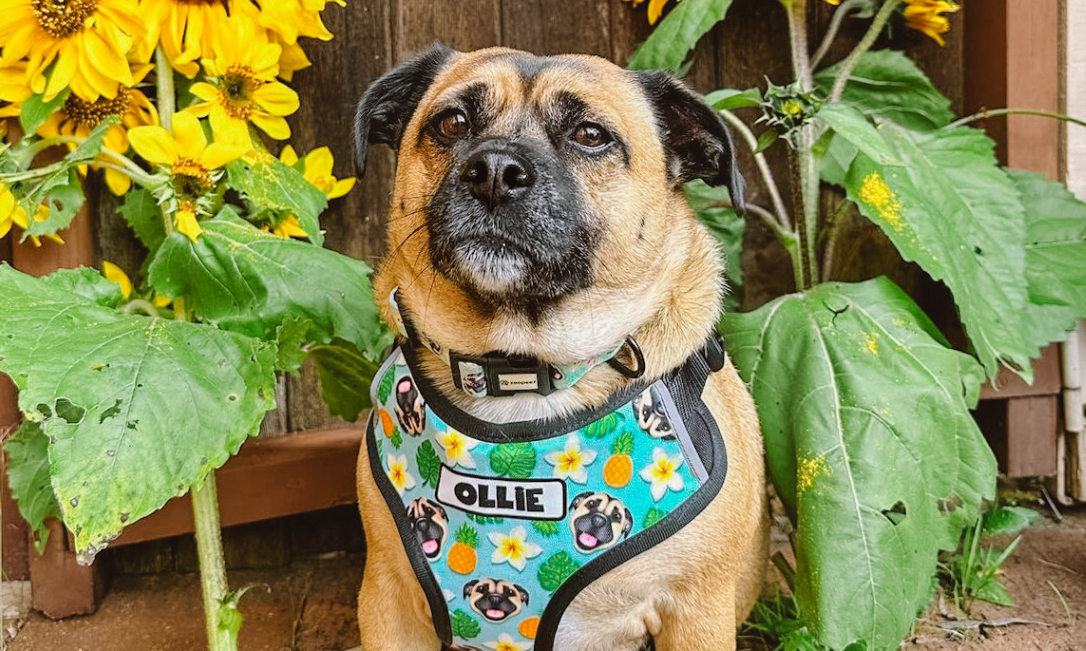
• Collar and harness (shop custom dog harnesses here)
• Lead
• ID tag (Shop custom dog tags here)
• Vet appointment booked
• Crate or pen
• Cleaning supplies for accidents
Being prepared reduces stress for both you and your puppy.
Common Puppy Care Mistakes to Avoid
• Skipping early socialisation
• Inconsistent routines
• Over-exercising young puppies
• Using punishment during training
• Delaying vet visits
Puppies learn quickly — consistency and patience are everything.
Learning how to take care of a puppy takes time. No one gets everything perfect. What matters most is showing up every day with patience and care.
Your puppy will grow quickly. The tiny paws, the clumsy steps, the sleepy cuddles — they don’t last long.
Build routines. Be consistent. Stay patient. And enjoy the process.
Because one day, you’ll look back at these early moments and realise they were the beginning of something lifelong.


